
Preparing for CompTIA Security+ SY0-701: How to Know When You’re Ready for the Exam
An evidence-based look at exam readiness, practice-test performance, and how to make better use of your remaining preparation time.
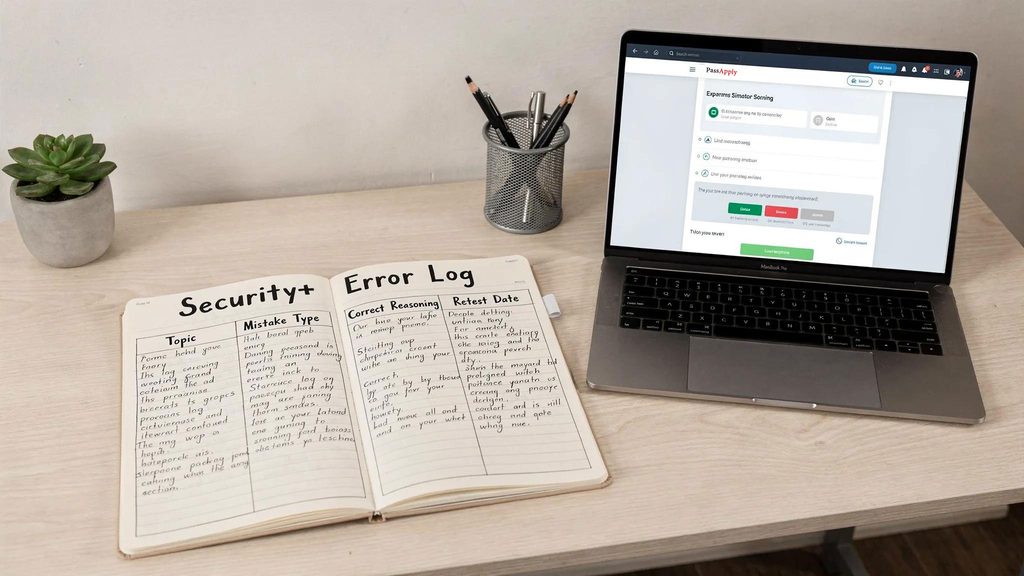
Preparing for the CompTIA Security+ SY0-701 exam involves a series of decisions that can affect how effectively you use your study time. One question tends to become more important as exam day approaches: Am I actually ready?
A practice-test score offers a useful starting point, but it cannot tell you everything. Some candidates consistently score well while struggling to explain their answers. Others understand the material but lose confidence when questions introduce unfamiliar scenarios.
Knowing the difference matters. Your preparation should demonstrate that you can apply security concepts, recognize the most appropriate response, and work through questions under exam conditions.
1. The Exam You’re Preparing For Still Matters
CompTIA introduced Security+ V8 (SY0-801) on November 17, 2026. However, candidates preparing for Security+ V7 (SY0-701) still have an opportunity to take the previous version during the transition period.
The English-language SY0-701 exam is scheduled to retire on June 11, 2027. This gives existing candidates time to complete their preparation without immediately switching to the new exam.
There is one detail worth checking before purchasing study materials: the exam code.
SY0-701 and SY0-801 represent different examination objectives. Although they belong to the same certification program, their content coverage and domain weightings are not identical. Materials designed for one version should not automatically be treated as complete preparation for the other.
For candidates already working through SY0-701, changing exam versions halfway through preparation may introduce unnecessary work. The more practical approach is to evaluate your progress, consider your intended testing date, and select materials that match that decision.
The official resources are the best place to confirm these details:
- CompTIA Security+ V7 (SY0-701) certification information
- CompTIA Security+ V8 (SY0-801) certification information
CompTIA’s published transition information should take priority over older preparation articles and third-party retirement-date estimates.
2. A Good Practice Score Doesn’t Tell the Whole Story
Practice exams are useful because they give candidates an opportunity to test their knowledge before the actual examination. However, the percentage displayed at the end represents only one part of preparation.
Consider a candidate who consistently scores around 85%. That result looks encouraging. Yet, when asked to explain why a particular security control is more appropriate than two other plausible options, the candidate struggles.
This situation reveals an important distinction between recognizing an answer and understanding it.
Several patterns deserve attention during preparation.
| Practice-test behavior | What it may indicate |
| Guessing correctly | The answer may be right without sufficient understanding. |
| Recognizing familiar wording | You remember the question but may struggle with a new scenario. |
| Hesitating between two answers | You may need to understand the distinction between related concepts. |
| Memorizing correct answers | Your knowledge may depend too heavily on familiar questions. |
| Skipping review of correct answers | Uncertain knowledge remains unidentified. |
| Struggling with PBQs | Your practical application skills may need additional work. |
The last point deserves particular attention.
CompTIA Security+ includes performance-based questions (PBQs), which assess the ability to apply knowledge in practical situations. A candidate who performs well on conventional multiple-choice questions may still need more experience interpreting requirements and completing scenario-based tasks.
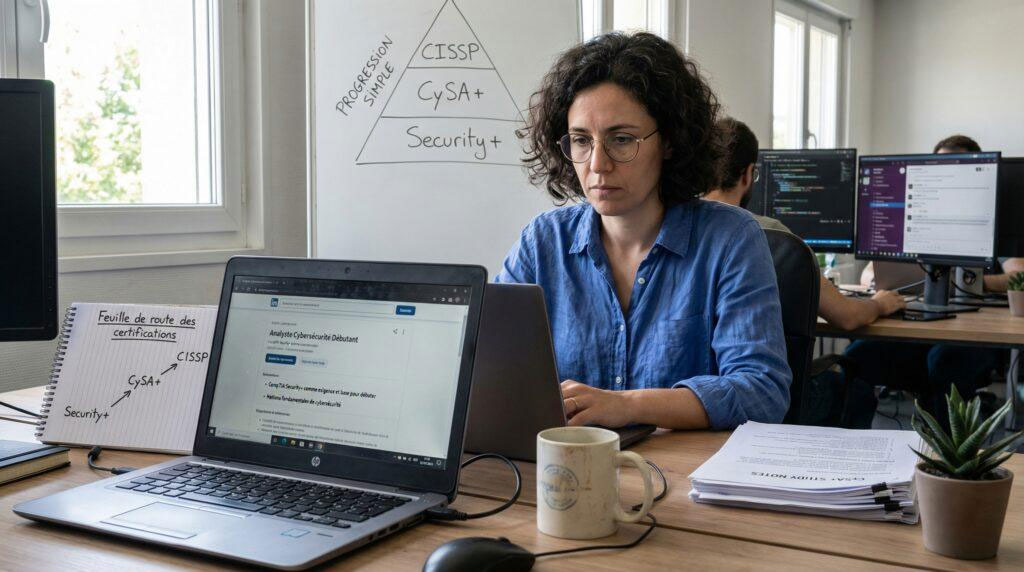
Understanding why an answer is correct
A useful way to evaluate your knowledge is to revisit questions you answered correctly but found difficult.
For each question, consider three things:
- What information in the scenario supports the answer?
- Why is the selected option more appropriate than the alternatives?
- Would you reach the same decision if the scenario were presented differently?
Take a question involving access control, for example. You might recognize that least privilege is relevant. However, the examination may describe a situation involving excessive permissions, temporary access, or administrative privileges.
Recognizing the terminology is a starting point. Understanding when and why to apply the principle is what makes your knowledge transferable.
This is also why reviewing incorrect options matters. Understanding why an alternative is unsuitable can help you distinguish between concepts that initially appear similar.
A candidate who can explain the reasoning behind an answer has a much stronger basis for judging readiness than someone relying entirely on a percentage.
3. What Your Practice Results Should Tell You
Practice materials become more valuable when you use them to identify specific weaknesses.
Instead of looking only at your overall score, examine your results at the objective level. If you repeatedly miss questions involving identity management, incident response, or security architecture, those patterns should influence your next study session.
The official SY0-701 exam objectives provide a useful reference for organizing this review.
There are several areas worth examining.
Objective-level performance
Look for subjects where your performance remains inconsistent. One incorrect answer may reflect a careless mistake, while repeated mistakes involving the same objective suggest a knowledge gap.
Incorrect and uncertain answers
Review both categories. A correct answer selected through guessing deserves attention just as much as an incorrect answer. Otherwise, your performance records may give you an overly positive impression of your understanding.
Scenario-based reasoning
Pay attention to what each question actually asks you to accomplish. Security questions often describe a situation and require you to select the most appropriate response. Identifying the relevant concept is only part of the task; you must also understand the requirements and constraints.
Performance-based questions
PBQs deserve dedicated preparation. Practice interpreting instructions, identifying relevant information, and completing the required tasks. Simply reading explanations about security tools does not provide the same experience as working through practical scenarios.
Timed examination conditions
Untimed practice can help you learn, but it does not fully represent the examination environment. Introduce timed sessions as your preparation progresses. Observe whether your accuracy remains consistent when you need to manage time and make decisions without extended breaks.
Choosing practice materials that support your preparation
The quality of your practice resources matters because your review process depends on the information they provide.
Candidates preparing for SY0-701 should look for materials that correspond to the correct exam objectives and help them identify areas requiring further study.
The Passapply SY0-701 Exam Prep materials are one option candidates can consider when incorporating additional exam-focused practice into their preparation.
Use practice resources as part of a broader learning process. Your objective is to understand the reasoning behind questions, recognize recurring knowledge gaps, and become more comfortable applying security concepts.
A useful practice session should leave you with a clearer picture of what you understand and what needs additional attention.
4. Making the Most of Your Remaining Study Time
Your preparation strategy should reflect your current knowledge and intended examination date.
Someone who has already completed the official objectives will have different priorities from someone who is still learning several major concepts. Both candidates can benefit from a structured approach, but their remaining study time should be allocated differently.
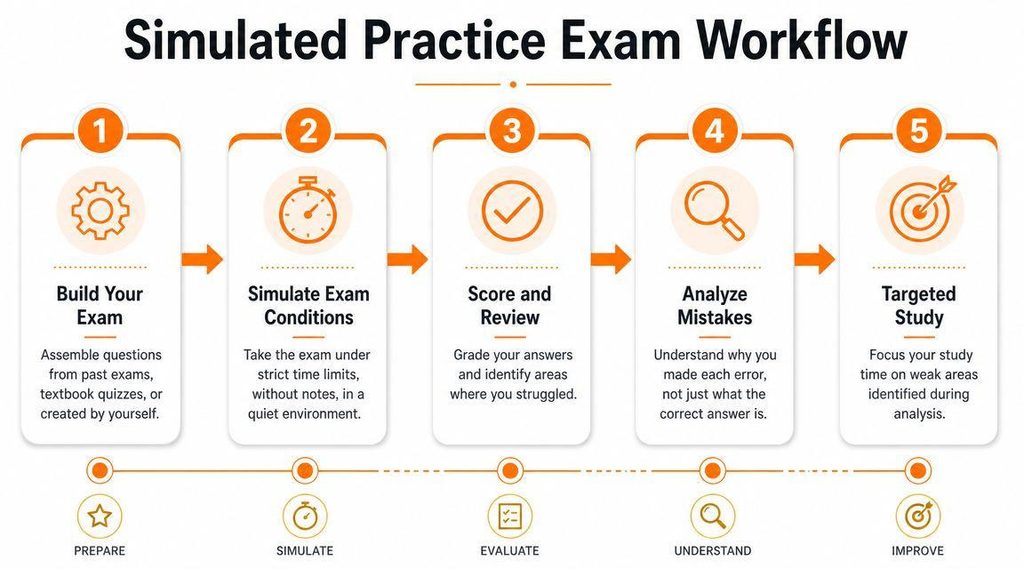
A practical preparation process can follow five stages:
1. Complete a baseline practice test.
Establish your starting point using questions aligned with SY0-701. Record your results and note which questions required guessing or extended consideration.
2. Identify recurring weaknesses.
Compare your results against the official exam objectives. Look for repeated difficulties instead of spending too much time on isolated mistakes.
3. Review the reasoning behind your answers.
Study incorrect answers and uncertain correct answers. Make sure you understand why the selected response is appropriate and why the alternatives are less suitable.
4. Allocate additional time to weaker areas.
Return to the topics where mistakes persist. Use official documentation, study materials, and relevant practical exercises to strengthen your understanding.
5. Complete timed practice.
Use additional practice sessions to evaluate consistency, question interpretation, and time management. Compare your performance with earlier attempts to determine whether your weaknesses are improving.
The aim is steady improvement in the areas that matter, not simply completing as many practice questions as possible.
Keep the SY0-701 retirement date in your plan
There is also a scheduling consideration.
With the English SY0-701 exam retiring on June 11, 2027, candidates should plan backward from their intended examination date. Leave enough time for targeted review and, where possible, allow room to reschedule if unexpected problems arise.
Candidates who are already making consistent progress may have little reason to change their preparation direction. Those who have only recently started should consider whether SY0-701 remains the most suitable examination for their timeline.
Check the official CompTIA Security+ certification page before making a booking decision, as examination availability and policies can change.
Conclusion
Readiness for CompTIA Security+ SY0-701 becomes clearer when you look beyond your overall practice-test score.
You should be able to explain your answers, recognize why alternative responses are unsuitable, apply security concepts to unfamiliar scenarios, and maintain reasonably consistent performance under timed conditions.
Use practice results to guide your remaining preparation. Address recurring weaknesses, give PBQs appropriate attention, and make sure your resources match SY0-701.
A strong indication that you’re ready is the ability to approach unfamiliar questions with sound reasoning rather than depending on memorized answers. That is a much more useful standard when deciding whether to schedule your examination.
Frequently Asked Questions
1. Is SY0-701 still available after the launch of SY0-801?
Yes. SY0-701 remains available during the transition period. Its English-language retirement date is June 11, 2027. Candidates should verify availability before booking.
2. Is an 80% practice-test score enough to pass Security+ SY0-701?
There is no officially guaranteed practice-test percentage that predicts a passing result. Practice scores depend on the quality and difficulty of the questions. Your ability to explain answers and apply concepts is also important.
3. How many practice exams should I complete before taking SY0-701?
There is no universal number. Focus on whether each practice session helps you identify and address weaknesses. Repeating tests without reviewing mistakes provides limited additional value.
4. Should I practice performance-based questions for SY0-701?
Yes. PBQs are part of the examination format. Candidates should become familiar with interpreting practical scenarios and applying relevant security knowledge.
5. Should I switch to SY0-801 if I have already started studying SY0-701?
It depends on your preparation progress and intended exam date. If you have invested substantial time in SY0-701 and can take it before retirement, continuing may be reasonable. If you are starting from the beginning, compare the two versions and choose the examination that best fits your schedule.
